
"Ethiopian Yirgacheffe"
300 article(s) found

How are Ethiopian coffee beans roasted? What are the recommendations of Ethiopian coffee brands?
Professional coffee knowledge exchange more coffee bean information please follow Coffee Workshop (Wechat official account cafe_style) Ethiopia Natural Yirgacheffe Chelelektu Ethiopian coffee beans Yega Xuefei figure G01 | production area profile unique geographical environment Yirgacheffe is a small town in Ethiopia, 1700-2100 meters above sea level, is
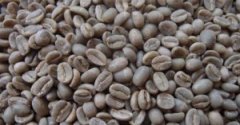
Brief introduction of Coffee from Ethiopia
Lim G2 Ethiopia is the hometown of Arabica coffee, and you can see wild Arabica coffee in the forests of the Kaffa region. In Ethiopian, coffee is called Bun or Buna, and coffee beans (coffee bean) may be translated from Kaffa Bun. Arabica coffee has long been found in the Harald area, which is very accessible.

The origin and development of Ethiopian fine coffee beans
Ethiopian coffee beans

Development of Ethiopian Coffee characteristics of Ethiopian Coffee
Coffee Workshop (official Wechat account cafe_style) Coffee from Africa and Arabia: Ethiopian coffee was originally developed in Yemen as a commercial crop, but Arabica coffee tree originated in the highlands across the Red Sea in western Ethiopia, where people are still harvesting wild berries. Today

Introduction to the flavor description and taste characteristics of Ethiopian Yega Fishi Dama coffee
Yega Sidamo Coffee Coffee from Ethiopia describes the taste characteristics of Yega Sidamo Coffee Variety introduction: if you like the unique orange fruit aroma, light and mild taste, you can choose the light baked Yega Coffee Yirgacheffe, which will produce beans at the end of the first explosion; if you pay attention to the richness, thickness and consistency of the taste

Introduction to the description of taste and flavor of high-quality coffee beans in Ethiopian coffee farm
Grade of Ethiopian coffee: Ethiopian washed coffee Yega Chuefei G1 G2 Sidamo (Yirgacheffe, Sidamo) has the highest grades 2 and 3 (G2, G3), while sun-processed coffee in eastern Ethiopia is mostly grade 4 or 5 (G4, G5). In many cases, level 4 coffee is marked as level 5 in order to reduce taxes. At present, the classification is not uniform and there are

Description of flavor of Ethiopian Yega Xuefei G2 washing cup introduction of taste varieties
Ethiopian Yega Xuefei G2 washing cup flavor description Origin Ethiopian coffee is processed by two processing methods: sun and water washing, the flavor of coffee processed by different processing methods is very different, generally speaking, the alcohol thickness and soil taste of washed Sidamo, Yirgacheffe and Limmu coffee are slightly lower, and the taste of sun-processed coffee is more wild. But every Essex coffee

Introduction to the grade of Ethiopian coffee beans
The coffee producing areas of Ethiopia are Sidamo, Harald and Sidamo, Harrar and Yirgacheffe. Sidamo and Harrar are provinces and divisions. Sidamo is located in the south of Ethiopia bordering Kenya, and Harrar borders Somalia in the east of Ethiopia. Although Yirgacheffe is a community in the Sidamo region, due to soil composition and water content and other reasons.

Ethiopian Coffee Estate Introduction and Flavor Description Ethiopian Coffee Estate
Professional coffee knowledge exchange More coffee bean information, please pay attention to coffee workshop (Weixin Official Accounts cafe_style) in the Bible. In Genesis, Adam and Eve were expelled from the Garden of Eden for eating the fruit of the Tree of Knowledge. This fruit, since childhood reading books have been identified as apple (snake) fruit undoubtedly. But in fact, the Bible never mentions it by name; the first coffee tree happens to be the same tree
Ethiopian coffee
Ethiopia is the hometown of Arabica coffee, and it is in the forests of Kaffa that you can see wild Arabica coffee. In Ethiopian, coffee is called "Bun" or "Buna". Coffee beans (coffee bean) may be translated from "Kaffa Bun". Arabica coffee was discovered early in the Harald area.

Brief introduction of Ethiopian Coffee
Ethiopia is the hometown of Arabica coffee, and it is in the forests of Kaffa that you can see wild Arabica coffee. In Ethiopian, coffee is called "Bun" or "Buna". Coffee beans (coffee bean) may be translated from "Kaffa Bun".

Ethiopian coffee bean flavor description of the type of taste grinding scale processing method introduction
Ethiopian coffee beans are mostly produced in the plateau above 2000 meters above sea level, the major producing areas are Djimmah (Djimmah), Gimbi (Gimbi), Yirgacheffe (Yirgacheffe), Sidamo (Sidamo), Harar (Harar). Because of the soil conditions, climatic conditions and the sea above 2000 meters in these areas

Ethiopian Coffee | Star of Africa-introduction to G1 Flavor of Yega Xuefei Peach
Ethiopia Star Yirgacheffe Washed Gmur1 Star of Africa-Yega Chuefei Peach G1 Variety: native species Heirloom Grade: GMel 1 production area: Yega Xuefei Yirgacheffe altitude: 2000 ~ 2050 m Refining method: washing method reference flavor: berries, citrus, Darjeeling black tea, delicate acidity, peach sweet African Star is a famous Ethiopian coffee

The main estate of Ethiopian coffee beans, Yega Xuefei coffee flavor.
Ethiopia is an important coffee producer with about 12 million people engaged in coffee production and is a major exporter of Arabica coffee beans in Africa. The high-quality coffee here is of excellent quality and is worth looking for. A variety of coffee cultivation methods can be found in Ethiopia: from wild coffee forests and semi-developed land to traditionally operated plots of land to modern plantations.

Ethiopian Coffee Bean | Ethiopian Coffee Brand | Yega Xuefei Halu washing Organic
Professional coffee knowledge exchange more coffee bean information please follow the coffee workshop (Wechat official account cafe_style) Ethiopian coffee beans Yega Sherfi Haru washed organic Ethiopia Yirgacheffe Halo washed organic production country: Ethiopia Ethiopia production area: Checheli Chelchele; Yega Xuefei Yirgacheffe Water washing Plant: Haru

Coffee Flavor characteristics of Ethiopian LikitoLikotu processing Plant _ Ethiopian small Coffee
Professional coffee knowledge exchange more coffee bean information please follow the coffee workshop (Wechat official account cafe_style) Ethiopia Yirgacheffe Likito Natural G1 Ethiopian coffee sun Yega Xuefei G1 Rico processing factory flavor description: tropical fruit, up citrus notes, orange fruit, strawberry, solid taste, fine sour Yega Xuefei in boutique coffee

Introduction to the characteristics of grinding scale of Ethiopian Sidamo coffee flavor description method
Yirgacheffe, with its unique aroma of Ethiopian coffee beans, comes from Yirga, a small town in the northwestern province of Sidamo. Yirgacheffe coffee raw bean is one of the most distinctive coffee in the world. It is rare and expensive. It is produced in the plateau of Ethiopia's Sidamo province, which is 2000 meters above sea level.
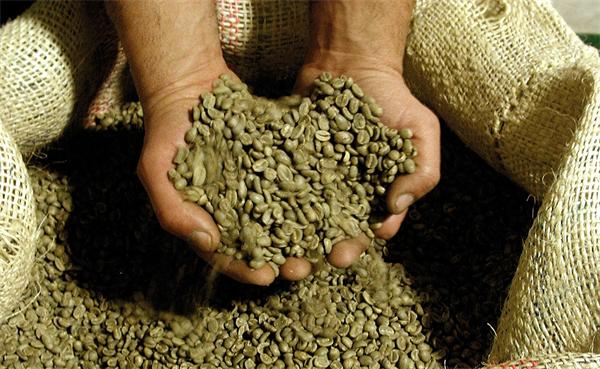
Ethiopian sun-dried aricha Yega snow coffee G1 sugar-free boutique black coffee
Most of the refining methods of Yirgacheffe are water washing (washed), which is fermented and shelled in the washing tank for about 72 hours and dried directly outside the plant. After the raw beans are manually selected and qualified by the Ethiopian Coffee Cocoa Management Agency, they are traded and exported through competitive bidding. Its annual output is about 225000 bags (60kg per bag).
A brief introduction to boutique coffee and Ethiopian coffee
Ethiopia is the hometown of Arabica coffee, and it is in the forests of Kaffa that you can see wild Arabica coffee. In Ethiopian, coffee is called Bun or Buna, and coffee beans (coffee bean) may be translated from Kaffa Bun. Arabica coffee was discovered early in the Harar area, probably from the card.

Introduction to the characteristics of High-quality Coffee produced by the Grinding degree treatment method of Ethiopian Coffee Manor
Grade of Ethiopian coffee: Ethiopian washed coffee Yega Chuefei G1 G2 Sidamo (Yirgacheffe, Sidamo) has the highest grades 2 and 3 (G2, G3), while sun-processed coffee in eastern Ethiopia is mostly grade 4 or 5 (G4, G5). In many cases, level 4 coffee is marked as level 5 in order to reduce taxes. At present, the classification is not uniform and there are